Have you ever wondered why horror stories send chills down your spine and keep you hooked until the very end? It’s not just about monsters or ghosts—there’s a fascinating psychological layer that taps into our deepest fears and anxieties.
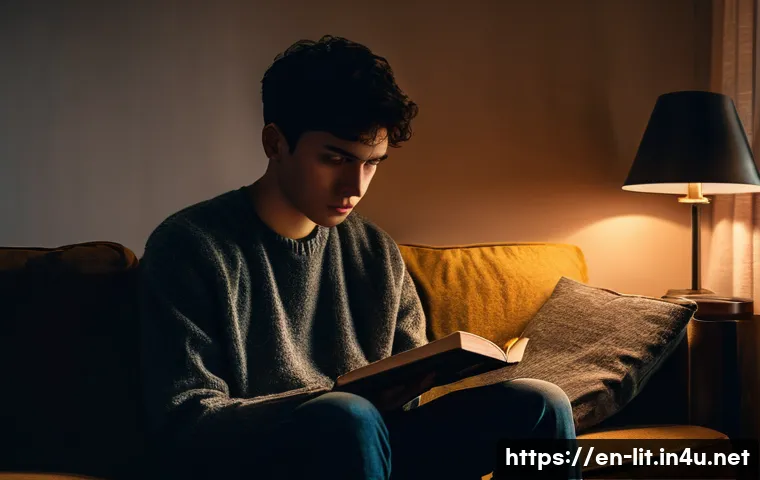
These stories play with suspense, anticipation, and the unknown, triggering emotional and physiological responses that make the experience so thrilling.
Understanding these psychological elements can deepen your appreciation for the genre and even reveal why we’re drawn to fear in the first place. Let’s dive into the intriguing world of horror literature and uncover what really makes it so captivating.
Stay with me as we explore these secrets in detail!
The Art of Anticipation: How Fear Builds Slowly
Mastering the Slow Burn
One thing I’ve noticed in the best horror stories is how they don’t just throw scares at you randomly. Instead, they build tension gradually, like a simmering pot about to boil over.
This slow burn creates a sense of unease that creeps under your skin, making every creak or shadow feel loaded with menace. When you read, your mind starts to anticipate the worst, which ironically makes the eventual scare feel more satisfying.
It’s that psychological tease—the promise of something terrifying lurking just out of sight—that keeps you glued to the page. From personal experience, the slow buildup is what hooks me the most; a story that rushes into the scary bits often feels flat and forgettable.
Playing With the Unknown
Fear thrives in the shadows of uncertainty. Horror stories cleverly exploit this by withholding information or presenting ambiguous threats. When you don’t know exactly what’s coming or what’s real, your imagination fills in the blanks—often with something far worse than the author’s actual creation.
This manipulation of the unknown triggers a primal fear response, making the experience more intense. I remember reading a story where the monster was barely described, and yet, my mind painted a picture so terrifying that I couldn’t put the book down.
This technique taps into our natural fear of ambiguity and the unpredictable.
The Rhythm of Suspense
Suspense is like a roller coaster, with moments of calm punctuated by sudden jolts. Horror writers use pacing strategically to control your heart rate and emotional investment.
By alternating between quiet, reflective scenes and explosive, shocking moments, they create a dynamic reading experience that mimics real-life adrenaline spikes.
This rhythm keeps readers alert and emotionally engaged. When I’m caught up in such a rhythm, I find myself unable to stop reading even when I know a scare is coming—I want to see how it unfolds.
It’s a clever dance between tension and release that keeps the story alive in your mind long after you finish it.
Why Our Brains Crave the Thrill of Fear
Biology Behind the Goosebumps
Believe it or not, your body’s reaction to horror stories is deeply rooted in biology. When you encounter fear, your brain triggers a fight-or-flight response, releasing adrenaline and other stress hormones.
This rush heightens your senses and makes your heart race, which can actually be exhilarating. This physiological response is why horror can feel addictive—it’s a safe way to experience intense emotions without real danger.
From what I’ve experienced, this adrenaline kick leaves me feeling oddly energized, like I’ve just been on a mini emotional roller coaster.
Fear as a Social Bonding Tool
It might sound surprising, but fear can actually bring people closer together. Sharing a scary story or watching a horror movie with friends creates a collective emotional experience.
The shared tension and relief after a scare can strengthen social bonds and create lasting memories. I’ve found that some of my most memorable hangouts involved telling ghost stories around a campfire—there’s something about fear that unites us in a unique way, turning strangers into companions facing the unknown together.
The Psychological Comfort of Controlled Fear
There’s a paradox in why we seek out horror: it’s scary, but also comforting. When you read a horror story, you know the danger isn’t real, which allows you to explore your fears safely.
This controlled exposure can help people process anxiety and confront their fears in a manageable way. Personally, I’ve realized that horror stories let me face my own insecurities symbolically—by confronting monsters on the page, I feel more prepared to handle real-life challenges.
It’s a fascinating psychological playground where fear becomes a tool for resilience.
Characters and Empathy: Why We Root for the Victims
Building Relatable Protagonists
One of the key reasons horror stories hit so hard is because they make you care about the characters. When authors create protagonists who feel real and vulnerable, readers naturally empathize with their struggles.
This emotional connection turns every danger into a personal threat. I remember a horror novel where the main character’s fears mirrored my own, making every twist feel like it was happening to me.
It’s this deep empathy that transforms simple scares into gut-wrenching experiences.
The Role of Moral Choices in Tension
Many horror stories explore ethical dilemmas, forcing characters to make tough decisions under pressure. These moments add complexity and keep readers engaged on a psychological level.
Watching characters wrestle with right and wrong amid chaos adds layers to the narrative and makes the horror feel more grounded. From my perspective, these moral conflicts make the story linger longer in my mind because they reflect real-life struggles—just amplified by fear.
Fear as a Mirror to Human Nature
Horror often reveals the darkest corners of human nature, showing how fear can bring out both the best and worst in people. Characters might show bravery, selfishness, or desperation, reflecting a wide spectrum of responses to terror.
This exploration makes horror stories more than just about monsters—they become studies of humanity under pressure. Personally, I find this aspect fascinating because it reminds me that fear is universal and deeply human.
The Power of Setting: Creating Atmosphere That Haunts
Using Environment to Amplify Fear
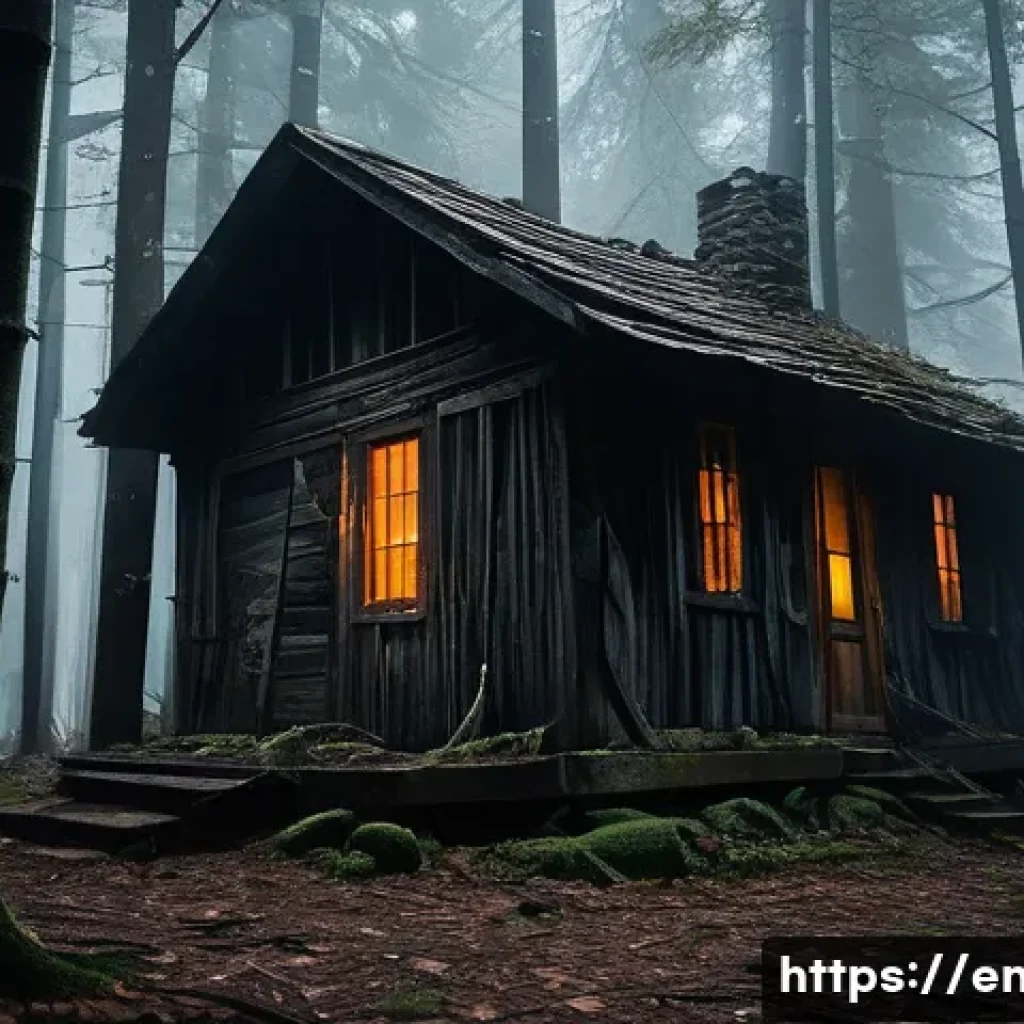
The setting in horror isn’t just a backdrop; it’s an active participant in the story. Dark forests, abandoned houses, or eerie small towns contribute to the mood and can feel like characters themselves.
I’ve noticed that the most memorable horror stories are those where the environment adds layers of unease—every creaking floorboard or whispering wind becomes a source of dread.
This immersive atmosphere pulls you deeper into the world and heightens emotional tension.
Isolation and Vulnerability
Isolation is a classic horror element because it strips characters of safety and support. Whether it’s being stranded in a remote cabin or trapped in a labyrinthine building, isolation magnifies fear by cutting off escape routes and help.
I’ve read stories where this feeling of being utterly alone made the scares more intense because the characters—and I as a reader—had nowhere to turn.
It’s a powerful way to tap into our primal fears of abandonment and helplessness.
Time and Darkness as Fear Catalysts
Nighttime and darkness naturally evoke fear due to limited visibility and increased uncertainty. Horror stories often use these elements to their advantage, setting key scenes after sunset or in perpetually dark places.
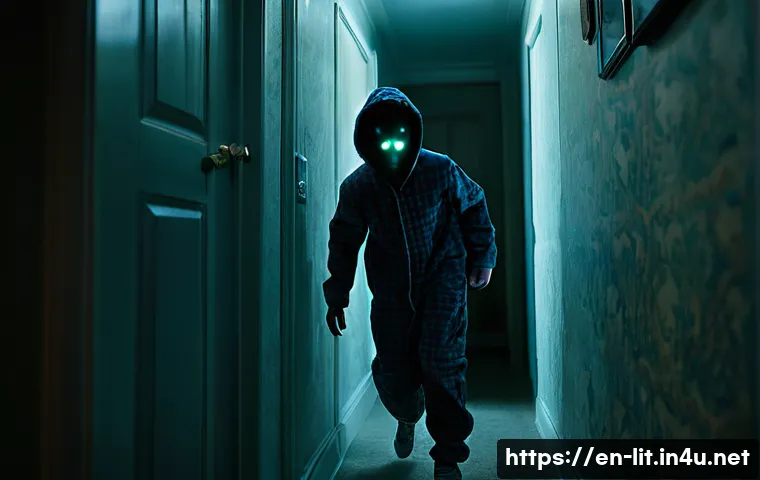
This manipulation of time and light plays with our instinctual fear of the dark. I recall a story where the creeping darkness was almost a character itself, wrapping around the plot and suffocating the sense of safety.
It’s a timeless trick, but when done well, it never loses its impact.
Psychological Triggers Behind Jump Scares and Gore
Why Jump Scares Work (and When They Don’t)
Jump scares are a staple of modern horror, designed to startle you with sudden noise or movement. While they can be effective in jolting your senses, I’ve found they lose impact if overused or poorly timed.
The best jump scares come after careful buildup, catching you off guard without feeling cheap. When done right, they trigger an instantaneous adrenaline spike that feels thrilling, but when overdone, they can feel gimmicky and make the story less immersive.
The Role of Gore in Emotional Impact
Gore often divides horror fans, but it serves a clear psychological purpose: it forces confrontation with mortality and physical vulnerability. Graphic descriptions can shock and disgust, but they also ground the horror in reality.
From personal experience, gore scenes that are thoughtfully integrated add intensity and weight to the narrative, making the danger feel real and immediate.
However, gratuitous gore without context can backfire, making the story feel shallow or exploitative.
Balancing Psychological and Physical Horror
The most compelling horror stories strike a balance between psychological tension and physical threats. Purely psychological horror can mess with your mind and linger in your thoughts, while physical horror delivers visceral shocks and fear of bodily harm.
I’ve enjoyed stories that weave both elements together because they create a richer, multi-layered experience. This blend keeps readers engaged on multiple levels, making the fear more immersive and memorable.
How Cultural Fears Shape Horror Themes
Reflecting Societal Anxieties
Horror often acts as a mirror for the fears of its time. For example, Cold War-era horror focused on paranoia and invasion, while contemporary stories might explore technology and isolation.
This connection to current events makes horror especially relevant and resonant. When I read horror that taps into cultural anxieties, it feels more authentic and chilling because it reflects fears that are already simmering in the back of my mind.
Universal vs. Localized Fears
Some horror themes are universal—like fear of death or the unknown—while others are deeply tied to specific cultures or traditions. This diversity adds richness to the genre and explains why horror looks different around the world.
I’ve found that exploring horror from various cultures opens my eyes to new perspectives on fear, showing how context shapes what scares us. It’s like traveling through the human psyche via stories.
The Evolution of Horror Tropes
Classic horror tropes evolve as society changes, reflecting shifts in collective fears and storytelling styles. Vampires, ghosts, and witches have morphed over decades, adapting to modern sensibilities.
I’ve noticed that when authors reinvent these tropes, it breathes new life into familiar stories and keeps the genre fresh. This evolution highlights horror’s ability to stay relevant by continuously reshaping its symbols and scares.
Emotional Release and the Aftermath of Fear
Catharsis Through Scares
One of the reasons I keep coming back to horror is the emotional release it provides. The intense fear and tension build up during the story, but reaching the resolution often brings a sense of relief and catharsis.
This emotional rollercoaster can be surprisingly therapeutic, allowing you to process complex feelings in a safe space. It’s like a workout for the emotions, leaving you feeling lighter once the story ends.
Lingering Effects and Nighttime Thoughts
Sometimes, horror stories stick with you long after you’ve closed the book. The images, ideas, or emotions can resurface unexpectedly, especially at night when your mind is quieter.
I’ve had nights where a story’s atmosphere or a particular scare replayed in my head, making me both anxious and fascinated. This lingering effect is part of what makes horror so powerful—it stays with you and invites reflection on why it affected you so deeply.
Building Resilience Through Fear
Engaging with horror can build emotional resilience by helping you face fear in a controlled way. Each story is like a practice run for real-world anxieties, allowing you to explore vulnerability and courage.
From my experience, this gradual exposure to fear helps me feel braver and more prepared for challenges in everyday life. It’s a unique benefit of the genre that goes beyond simple entertainment.
| Psychological Element | Effect on Reader | Example in Horror | Personal Experience |
|---|---|---|---|
| Slow Burn | Builds tension and anticipation | Gradual reveal of the monster in “The Haunting of Hill House” | Kept me hooked and constantly uneasy |
| Unknown Threat | Triggers imagination and fear of ambiguity | Unseen creature in “The Blair Witch Project” | Made me imagine worse horrors than shown |
| Adrenaline Rush | Physiological thrill and excitement | Jump scares in “Insidious” | Heart raced, felt energized afterward |
| Empathy with Victims | Emotional investment and personal fear | Relatable protagonist in “It” by Stephen King | Felt like I was in the story myself |
| Atmospheric Setting | Enhances mood and immersion | Isolated cabin in “The Evil Dead” | Heightened my sense of dread |
| Cultural Reflection | Resonates with contemporary fears | Tech paranoia in “Black Mirror” episodes | Made me think about real-life dangers |
글을 마치며
Fear in horror stories is a masterful dance of anticipation, emotion, and psychological depth. By understanding how tension builds, why we empathize with characters, and how setting and culture influence fear, we can appreciate horror on a whole new level. Whether it’s the slow burn or a sudden scare, these elements combine to create unforgettable experiences that resonate long after the last page. Embracing fear through stories not only entertains but also strengthens our emotional resilience in everyday life.
알아두면 쓸모 있는 정보
1. Gradual tension building, or the “slow burn,” keeps readers hooked by making every moment feel charged with potential danger.
2. Ambiguity and the unknown amplify fear by letting your imagination create horrors even scarier than what’s described.
3. Sharing horror experiences with others can strengthen social bonds through collective emotional release and shared memories.
4. The setting is crucial in horror; isolated or dark environments intensify feelings of vulnerability and dread.
5. Balancing psychological tension with physical horror creates a richer, more immersive experience that lingers in the mind.
중요 사항 정리
Effective horror storytelling hinges on gradual tension buildup, relatable characters, and atmospheric settings that evoke primal fears. Psychological triggers like anticipation, uncertainty, and adrenaline spikes engage readers deeply, while cultural themes keep stories relevant and impactful. Sharing horror experiences enhances social connection, and the controlled exposure to fear helps build emotional resilience. Striking the right balance between mental suspense and physical threats ensures a memorable and satisfying experience that resonates long after the story ends.
Frequently Asked Questions (FAQ) 📖
Q: Why do horror stories make us feel scared yet keep us wanting more?
A: Horror stories tap into our primal fears by creating suspense and uncertainty. When we don’t know what’s coming next, our brains release adrenaline and heighten our senses, making the experience intense and immersive.
This mix of fear and curiosity triggers a thrilling emotional rollercoaster that keeps us hooked. It’s like a safe way to explore danger—your body reacts as if you’re in real peril, but your mind knows you’re just enjoying a story.
That balance between fear and control is what makes horror so addictive.
Q: What psychological factors make horror stories so effective at triggering fear?
A: Several psychological elements are at play: anticipation, the unknown, and our natural fear of threats. Horror stories often delay revealing the source of danger, which builds tension and anxiety.
Our brains are wired to detect threats, so even subtle hints or eerie atmospheres can activate this alert system. Plus, horror frequently plays on universal fears like death, isolation, or loss of control, which resonate deeply.
This combination of suspense and relatable fears creates a powerful emotional response that feels both personal and intense.
Q: Why do people enjoy feeling scared when reading or watching horror?
A: Enjoying fear might seem strange, but it actually offers a safe adrenaline rush and emotional release. When we engage with horror, our brains experience a controlled form of stress, followed by relief once the story resolves.
This cycle can be exhilarating and even cathartic. Also, sharing scary stories creates social bonds, as people often connect over the excitement and tension.
For many, horror is a way to confront fears in a manageable way, making them feel braver or more in control in real life. It’s a fascinating mix of thrill, challenge, and entertainment.