7 Essential Ways to Unlock Marxist Literary Theory for Deeper Text Analysis

webmaster

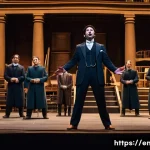
마르크스주의 문학 이론 - A dramatic theater scene depicting intense class conflict: a diverse group of actors on stage in per...

Marxist literary theory offers a powerful lens to explore how literature reflects and challenges social class structures and economic power dynamics. It dives into the ways texts reveal the struggles between the ruling class and the working class, uncovering hidden ideologies that shape society.

마르크스주의 문학 이론 관련 이미지 1

By analyzing literature through this perspective, we gain insight into the cultural forces that influence human behavior and social change. Whether it’s a novel, poem, or play, Marxist theory helps us understand the material conditions behind the story.

Curious to see how this theory unlocks deeper meanings in your favorite works? Let’s dive in and explore the details together!

Exploring Class Conflict Through Narrative Layers

Unmasking Power Structures in Character Dynamics

One of the most fascinating aspects of literature viewed through this lens is how characters embody class positions and conflict. When I first re-read classic novels like Dickens or Steinbeck with this perspective, it struck me how protagonists often represent the working class struggling against an oppressive elite.

The tension between characters is rarely just personal; it’s a microcosm of larger social battles. For example, a wealthy antagonist might symbolize the ruling class’s control over resources, while the protagonist’s hardships reflect systemic exploitation.

This approach helps us see the story not just as isolated drama but as a vivid portrayal of societal struggles, highlighting the uneven distribution of power and opportunity.

Economic Conditions Shaping Plot Progression

Plotlines often hinge on economic realities that define characters’ choices and fates. When I considered how financial hardship or wealth influences decision-making in stories, it became clear that these elements are more than background details—they’re driving forces.

Literature frequently reveals how material conditions trap individuals or propel them toward rebellion or conformity. For instance, a character’s inability to break free from poverty illustrates how economic systems maintain social hierarchies.

This insight deepens our understanding of the narrative, showing that personal stories are inseparable from broader economic forces.

Symbols and Settings as Class Markers

Settings and symbols in literature often carry hidden meanings tied to class and capitalism. I’ve noticed that opulent mansions, factory floors, or crowded tenements aren’t just backdrops; they communicate social status and power relations.

Writers embed these details intentionally, signaling the disparity between classes without explicitly stating it. This subtlety invites readers to decode how space and material culture reflect economic realities.

A lavish setting might expose the extravagance of the ruling class, while cramped quarters evoke the working class’s struggle. Recognizing these symbols enriches our interpretation by linking physical environments to social critique.

Advertisement

Ideology and False Consciousness in Literary Themes

How Stories Perpetuate or Challenge Dominant Beliefs

It’s intriguing how literature can both reinforce and question prevailing ideologies. When I reflect on certain texts, I see how they might propagate the dominant class’s worldview, subtly convincing readers that social inequalities are natural or inevitable.

This phenomenon, often called false consciousness, masks systemic problems by normalizing them in narratives. Conversely, some authors deliberately subvert these ideas, using their stories to expose injustice and inspire critical thought.

This dual capacity of literature makes it a powerful tool for both maintaining and dismantling social orders.

Class Consciousness Awakening Through Character Development

The journey of a character becoming aware of their social position and collective struggle is a common and compelling theme. In many novels, I’ve seen protagonists evolve from accepting their circumstances to recognizing the need for change.

This awakening often parallels real historical movements where marginalized groups gained solidarity and fought for rights. The emotional depth and personal stakes in such stories make the political message resonate more strongly with readers.

This narrative arc encourages empathy and reflection on one’s own social context, showing how awareness can spark transformation.

The Role of Language in Maintaining Social Hierarchies

Language itself can be a battleground for class dominance, which is a subtle but critical insight I’ve gained. The way characters speak—dialects, vocabulary, tone—often signals their social status and access to power.

Authors use these linguistic markers to highlight divisions or to challenge stereotypes. Sometimes, the ruling class’s language enforces exclusivity, while working-class speech carries authenticity and resistance.

This linguistic dimension adds richness to the text, revealing how communication reflects and shapes social realities.

Advertisement

Economic Base and Cultural Superstructure in Literary Worlds

Understanding the Relationship Between Material Conditions and Art

One of the core ideas I find endlessly compelling is how literature serves as part of a cultural superstructure shaped by the economic base. The material conditions of a society—its mode of production, class relations—underpin the themes and forms of artistic expression.

When I analyze novels or plays, I try to trace how the economic context influences the cultural products they represent. For example, periods of economic crisis often inspire works that critique capitalism or highlight class struggles.

This perspective reveals literature not just as entertainment but as a reflection and product of its historical moment.

Art as a Site of Ideological Struggle

Literature isn’t neutral; it’s a contested space where ideas about society are debated and shaped. I’ve noticed that authors sometimes write to defend the status quo, while others aim to disrupt it.

This ideological battle plays out through narrative choices, character portrayals, and plot resolutions. By examining these elements, we uncover the underlying messages about class and power.

Literature thus becomes a dynamic forum for exploring and contesting dominant social narratives, giving voice to marginalized perspectives or reinforcing hegemonic ones.

Material Conditions Influencing Literary Forms

The way stories are told—their genres, styles, and structures—often reflects the economic realities of their time. For instance, the rise of the novel in the 18th century coincided with emerging capitalist societies and individualism.

When I consider how material conditions shape literary forms, it broadens my appreciation for how deeply intertwined economics and culture are. Recognizing this connection helps explain why certain genres flourish or decline and how literature adapts to changing social contexts.

Advertisement

Representation of Labor and Class Struggles

Depicting Work and Exploitation in Narrative

Work is a fundamental theme in literature that reveals much about class relations. I’ve found that stories depicting labor often expose the exploitation and alienation experienced by workers.

Whether it’s factory labor, domestic service, or agricultural toil, these portrayals highlight how labor is undervalued yet essential to capitalist production.

Such narratives can evoke sympathy and raise awareness of social injustice. They also illustrate how work shapes identity and social status, providing a critical lens for understanding human experience within economic systems.

Resistance and Solidarity Among the Working Class

Many literary works celebrate the collective strength of workers fighting against oppression. I’m always moved by scenes where characters unite to challenge unfair conditions, reflecting real historical struggles like strikes and revolutions.

These moments of solidarity offer hope and demonstrate the power of collective action. They also serve as reminders that social change often arises from grassroots efforts rather than elite interventions.

Literature thus becomes a platform for imagining alternative social arrangements rooted in justice and equality.

Intersectionality of Class with Other Social Identities

While class is central, it rarely exists in isolation. I appreciate how contemporary analyses incorporate race, gender, and other identities to provide a fuller picture of social dynamics.

마르크스주의 문학 이론 관련 이미지 2

Characters’ experiences of class oppression intersect with other forms of marginalization, complicating their struggles and resistance. This intersectional approach enriches literary criticism by acknowledging multiple layers of inequality and power.

It also reflects the complexity of real-world social relations, making literature a more accurate mirror of human diversity.

Advertisement

Capitalism and Consumer Culture in Literary Critique

Critiquing Commodification in Storytelling

The influence of capitalism extends beyond class conflict to the commodification of culture and human relationships. When I examine literature with this in mind, I see how consumer culture shapes characters’ desires and values.

Stories often reveal the emptiness or alienation that comes from reducing life to market transactions. This critique challenges readers to question the pervasive impact of capitalism on identity and social bonds.

It also highlights how literature can resist or expose the dehumanizing effects of commodification.

Materialism and Its Impact on Character Motivation

Characters driven by material gain often embody the contradictions of capitalist societies. Their pursuit of wealth can lead to moral compromise, personal alienation, or social conflict.

I find these portrayals compelling because they reflect the real dilemmas people face in consumer-driven cultures. Literature thus provides a space to explore the psychological and ethical consequences of capitalism, making abstract economic concepts tangible through human stories.

Advertising and Media Influence Within Narratives

The rise of mass media and advertising is another theme that literature explores critically. I’ve noticed how some texts depict these forces as shaping public consciousness and reinforcing consumerist ideology.

Characters might be manipulated by images or messages that promote conformity and material desire. This meta-commentary on media’s role deepens our understanding of how cultural products participate in maintaining capitalist systems.

It encourages readers to become more aware of the subtle ways ideology operates in everyday life.

Advertisement

Historical Materialism and Literary Evolution

Tracing Literature’s Development Through Social Change

Historical materialism offers a framework for understanding how literature evolves alongside economic and social transformations. When I consider literary history through this approach, I see clear links between historical events—like industrialization or wars—and shifts in literary themes and styles.

This perspective helps explain why certain genres or topics gain prominence at specific times, reflecting the material conditions of society. It also situates literature as a dynamic response to changing historical realities.

Revolutionary Literature as a Catalyst for Change

Some literary works actively engage with revolutionary ideas, aiming to inspire social upheaval. I’ve found that these texts often combine emotional storytelling with political critique, making their messages accessible and compelling.

Revolutionary literature can challenge dominant ideologies, propose new social visions, and mobilize readers toward action. This genre illustrates the potential of art to not only reflect but also shape history by influencing public consciousness and activism.

Literature as Historical Document and Critique

Literature also serves as a valuable record of social conditions and conflicts. When I read novels or poems from different eras, they provide rich insights into the lived experiences of people, especially those marginalized in official histories.

This dual role—as both documentation and critique—makes literature a vital resource for understanding past and present struggles. It reminds us that stories carry the voices of those who might otherwise be forgotten, preserving social memory and fostering critical reflection.

Advertisement

Comparative Analysis of Class Themes in Various Genres

Drama and the Public Stage of Class Conflict

Drama uniquely presents class struggle in a live, communal setting, which intensifies its impact. I’ve observed that plays often dramatize social tensions through dialogue and performance, making conflicts immediate and visceral.

The public nature of theater invites audiences to witness and engage with class issues collectively, creating a shared space for reflection and debate.

This immediacy distinguishes drama from other genres and highlights its power to provoke social awareness.

Poetry’s Subtle Yet Potent Class Commentary

Poetry can distill complex class themes into concentrated, evocative language. I appreciate how poets use metaphor, rhythm, and imagery to express social critique in ways that resonate emotionally.

Poems often capture the personal and collective pain of oppression or the hope for liberation. Their brevity and intensity allow for powerful, memorable statements about inequality, making poetry an effective medium for raising consciousness.

Novels as Detailed Explorations of Socioeconomic Realities

Novels provide the space for nuanced, in-depth portrayals of class dynamics over time. When I delve into novels, I’m drawn to their ability to develop multifaceted characters and intricate plots that reveal the complexity of social relations.

This genre’s expansiveness allows for detailed exploration of economic conditions, cultural norms, and psychological effects, offering a comprehensive understanding of class issues.

Novels thus stand out as rich terrains for Marxist analysis.

Genre Class Theme Representation Unique Features
Drama Direct portrayal of class conflict through dialogue and performance Immediate audience engagement, communal reflection
Poetry Emotional and symbolic expression of oppression and hope Concise, evocative language, powerful imagery
Novel Complex character development and socioeconomic context Detailed, expansive narrative, psychological depth
Advertisement

Conclusion

Exploring class conflict through literature reveals the deep-rooted social and economic tensions that shape human experiences. Stories become more than entertainment; they serve as mirrors reflecting power struggles, ideological battles, and cultural shifts. Understanding these layers enriches our appreciation of narratives and their capacity to inspire critical thought and social awareness.

Advertisement

Useful Information to Keep in Mind

1. Characters often symbolize broader class struggles, making personal conflicts reflect societal issues.
2. Economic conditions influence not only plot developments but also character motivations and outcomes.
3. Settings and symbols subtly convey social hierarchies and power dynamics without explicit statements.
4. Literature can both reinforce and challenge dominant ideologies, shaping readers’ worldviews.
5. Different genres offer unique approaches to depicting class themes, from drama’s immediacy to poetry’s emotional depth.

Advertisement

Key Takeaways

Recognizing class conflict in literature helps us see stories as reflections of real social dynamics rather than isolated tales. Economic realities and power structures deeply influence characters, plots, and settings. Literature acts as a battleground for ideology, capable of both sustaining and challenging social orders. By analyzing diverse genres, we gain a fuller understanding of how narratives engage with class struggles and inspire empathy and awareness.

Frequently Asked Questions (FAQ) 📖

Q: How does Marxist literary theory help in understanding a novel or poem better?

A: Marxist literary theory offers a unique way to look beyond just the plot or characters by focusing on the social and economic forces at play. It highlights how class struggles and power imbalances influence the story’s events and character motivations.
For instance, when reading a novel, you might notice how the wealthy characters maintain control over resources, while working-class characters face oppression or exploitation.
This perspective can reveal hidden messages about inequality and resistance, making your reading experience richer and more meaningful.

Q: Can Marxist literary theory be applied to all types of literature?

A: Absolutely! Whether it’s a novel, poem, play, or even a film script, Marxist theory can be used to analyze how economic and social factors shape the narrative.
It’s especially effective in works that deal with social conflicts, labor issues, or class differences. Even in more subtle or symbolic works, Marxist analysis can uncover underlying ideologies about wealth, power, and social status.
I’ve found that applying this lens to different genres often opens up new ways to interpret themes and character relationships.

Q: Does using Marxist literary theory mean the work is only about politics or economics?

A: Not necessarily. While Marxist theory focuses on social and economic contexts, it doesn’t reduce a literary work to just political or economic propaganda.
Instead, it helps us understand how these broader forces influence human experiences, emotions, and cultural values within the story. For example, a love story might also reflect class tensions or social inequalities that affect the characters’ lives.
So, the theory adds depth by showing how personal and social issues are intertwined, rather than limiting the work to a single theme.

📚 References


➤ Link

– Google Search

➤ Link

– Bing Search

➤ Link

– Google Search

➤ Link

– Bing Search

➤ Link

– Google Search

➤ Link

– Bing Search

➤ Link

– Google Search

➤ Link

– Bing Search

➤ Link

– Google Search

➤ Link

– Bing Search

➤ Link

– Google Search

➤ Link

– Bing Search

➤ Link

– Google Search

➤ Link

– Bing Search

➤ Link

– Google Search

➤ Link

– Bing Search